
How to Detect and Repair Roof Flashing Leaks
Discovering a water stain on your ceiling can be a stressful moment for any homeowner. While it is easy to assume that your shingles are failing, the culprit is often much less obvious. More often than not, the source of water intrusion comes down to your roof flashing. If you are dealing with a leak, understanding how to find roof flashing leaks can save you time, money, and structural damage down the road.
In Ottawa, where weather patterns shift rapidly from blistering summer heat to freezing snowfalls, roofs are put under immense stress. This constant cycle of thermal expansion and contraction is incredibly tough on the vulnerable transition points of your home's exterior. At Roof Medix, we see firsthand how these elements compromise flashing systems. In this guide, we will break down what flashing actually is, how to spot the early warning signs of failure, and what it takes to effectively resolve the issue before a minor drip turns into a major interior problem. If you need immediate assistance, our team is always ready to provide professional roof repair to protect your home.
What is Roof Flashing and Why Does it Fail?
A common question we hear from homeowners is: what is roof flashing? Put simply, flashing is a thin, impervious material—usually made of galvanized steel, aluminum, or copper—installed at the critical intersections and joints of your roof. You will find it in the valleys where two roof slopes meet, around skylights, edging dormer windows, and surrounding elements that protrude through the roof deck, like plumbing vents and chimneys. Its primary job is to direct water away from these vulnerable seams and down toward your gutters.
So, why does flashing fail? The answer usually comes down to the environment and the passage of time. Harsh Ottawa Valley winters bring heavy snow loads and the constant threat of ice damming. When ice builds up along the eaves or in valleys, it forces water backward under the shingles and flashing. Over time, the sealant used to secure the flashing can dry out, crack, or peel away due to UV exposure and extreme temperature swings. Additionally, severe winds can physically lift or bend the metal, creating gaps where rain easily infiltrates.
When flashing begins to deteriorate, it leaves the underlying wood decking exposed to moisture. This is why routine maintenance and knowing what to look for is so crucial for preserving the lifespan of your roof.
Spotting the Signs of Damaged Flashing
Catching a flashing leak early requires a bit of vigilance, both inside and outside your home. The most obvious internal sign is water staining on your drywall or ceiling, particularly near exterior walls, chimneys, or under roof valleys. If you notice a damp, musty smell in your attic or see darkened wood and rusted nails protruding through the roof deck, you are likely dealing with a prolonged moisture issue.
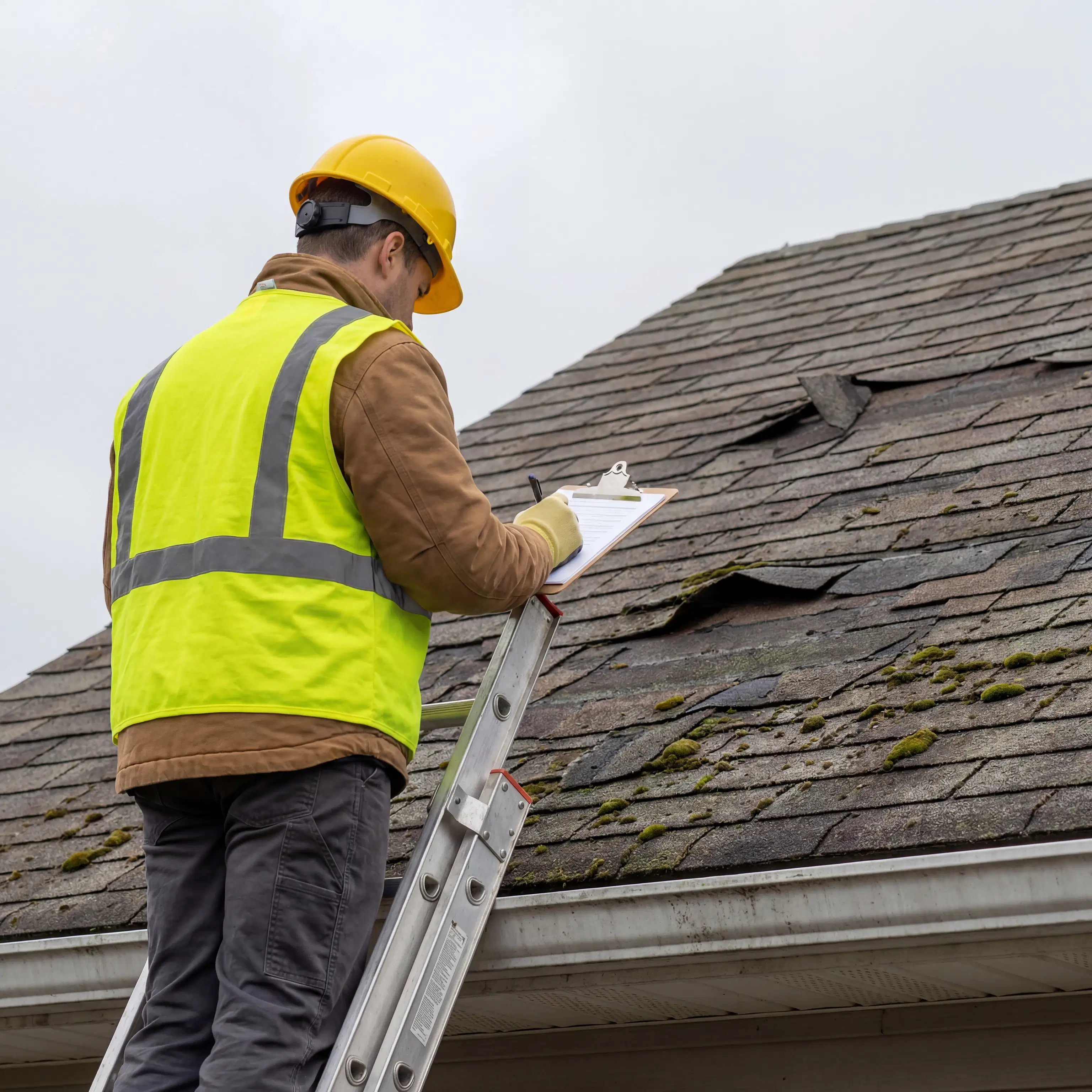
From the exterior, inspecting your roof requires caution. We never recommend climbing onto a steep or wet roof without proper fall protection. Today, many professional roofers use drone-based roof inspections to safely and accurately identify problem areas without stepping foot on the shingles. However, from the ground with a pair of binoculars, you can still look for several red flags.
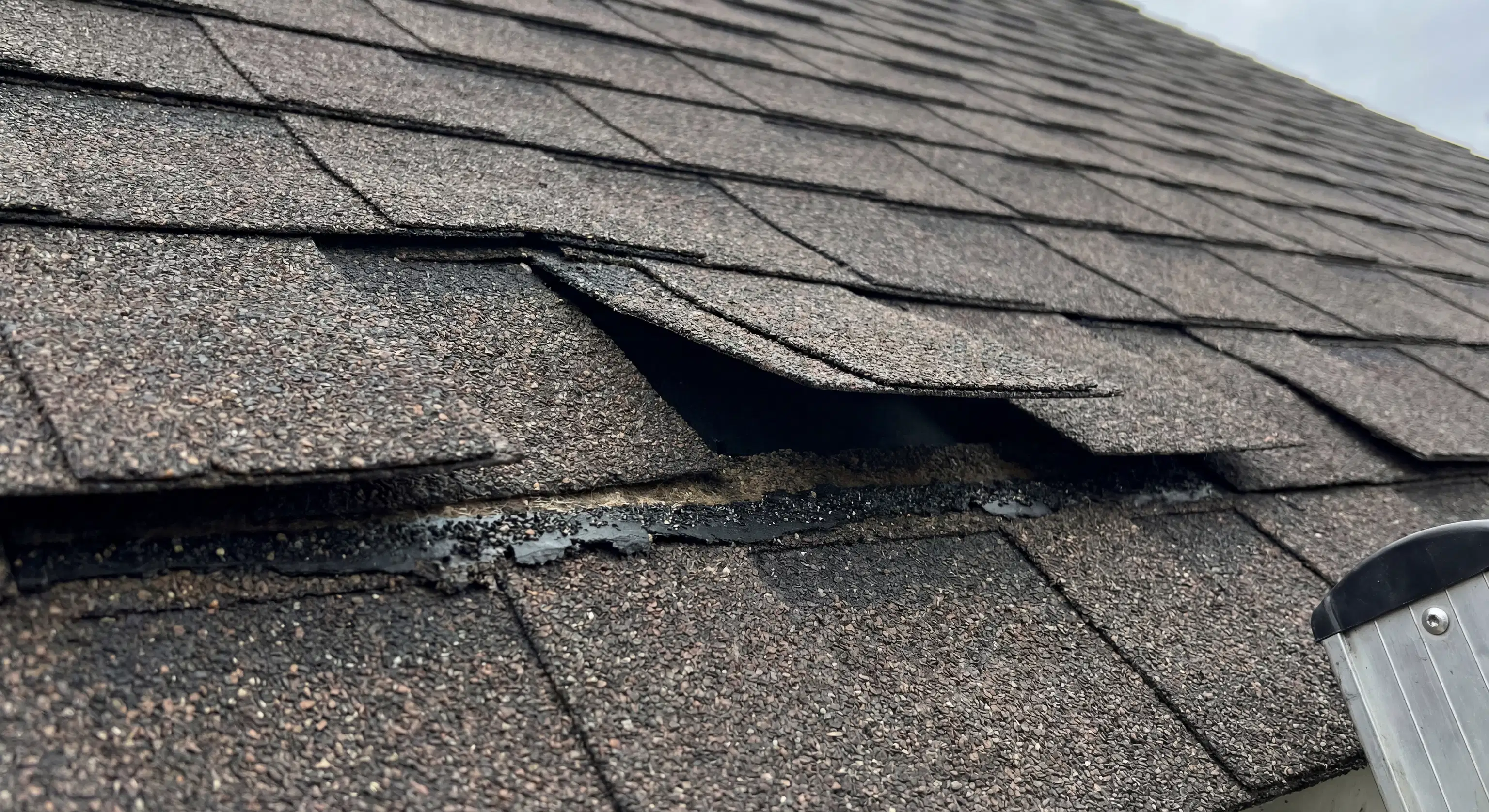
Pay close attention to the signs of damaged chimney flashing. Look for cracked or missing caulking around the metal base of the chimney, or flashing that appears to have pulled away from the brickwork entirely. You might also spot rust spots on the metal itself. Around roof valleys and vents, keep an eye out for loose or bent metal. In many cases, a flashing failure is accompanied by adjacent shingle damage; if you need missing shingles repair, there is a good chance the underlying flashing has been exposed to the elements and compromised as well.

Repairing the Damage and When to Call a Professional
Addressing a flashing leak is rarely a simple caulking job. Proper step flashing repair for asphalt roofs, for example, requires weaving individual pieces of L-shaped metal between each layer of shingles along a vertical wall. If the existing flashing is heavily rusted or damaged, the surrounding shingles must be carefully pried up, the old metal removed, and new flashing integrated with the underlayment to ensure a truly watertight seal.
While some minor sealant touch-ups might seem like a manageable weekend project, comprehensive flashing repair is best left to experienced professionals. The roofing industry in Ontario is strictly regulated for a reason. Working at heights presents significant risks, and ensuring that a contractor has proper WSIB coverage and safety training is vital to protect yourself from liability. Furthermore, inexperienced repairs often trap water rather than diverting it, leading to hidden rot that goes unnoticed until a structural failure occurs.
If the flashing damage is extensive, or if the roof itself is nearing the end of its typical 15 to 20-year lifespan, patching might only be a temporary bandage. In these cases, it is often more cost-effective in the long run to consider a full roof installation rather than repeatedly paying for emergency roof leak repair services after every major storm.
Your home is your most significant investment, and its roof is its first line of defense. If you suspect your flashing has been compromised by recent weather or simply age, do not wait for the next heavy rainstorm to find out. We are proud to serve the 613 area with honest assessments and durable, weather-tested solutions. Reach out to the team at Roof Medix today by visiting our contact us page to schedule a comprehensive roof evaluation.