
How Attic Ventilation Prevents Winter Ice Dams
When the temperature begins to drop and the snow starts piling up, homeowners across the NCR know that another harsh season is upon us. Ottawa Valley winters are notoriously demanding on local homes, bringing heavy snowfalls, rapid freezing, and sudden thawing cycles. While a snow-covered roof might look picturesque, it can sometimes hide a destructive winter phenomenon: the ice dam.
Many homeowners notice thick ridges of solid ice building up along their eaves, often accompanied by long, jagged icicles. While these icicles might look like a natural part of the winter landscape, they are actually one of the most common signs of a compromised roofing system. If left unaddressed, ice dams can cause severe damage to your shingles, gutters, and even the interior of your home.
At Roof Medix, we've helped countless homeowners navigate the challenges of extreme winter weather. One of the most frequent questions we get is how to stop these ice buildups from forming in the first place. The answer rarely lies in the shingles themselves; instead, it comes down to what is happening underneath them. Proper attic ventilation is the unsung hero of a healthy winter roof, acting as the primary defense against ice damming and subsequent water damage.
The Mechanics of an Ice Dam
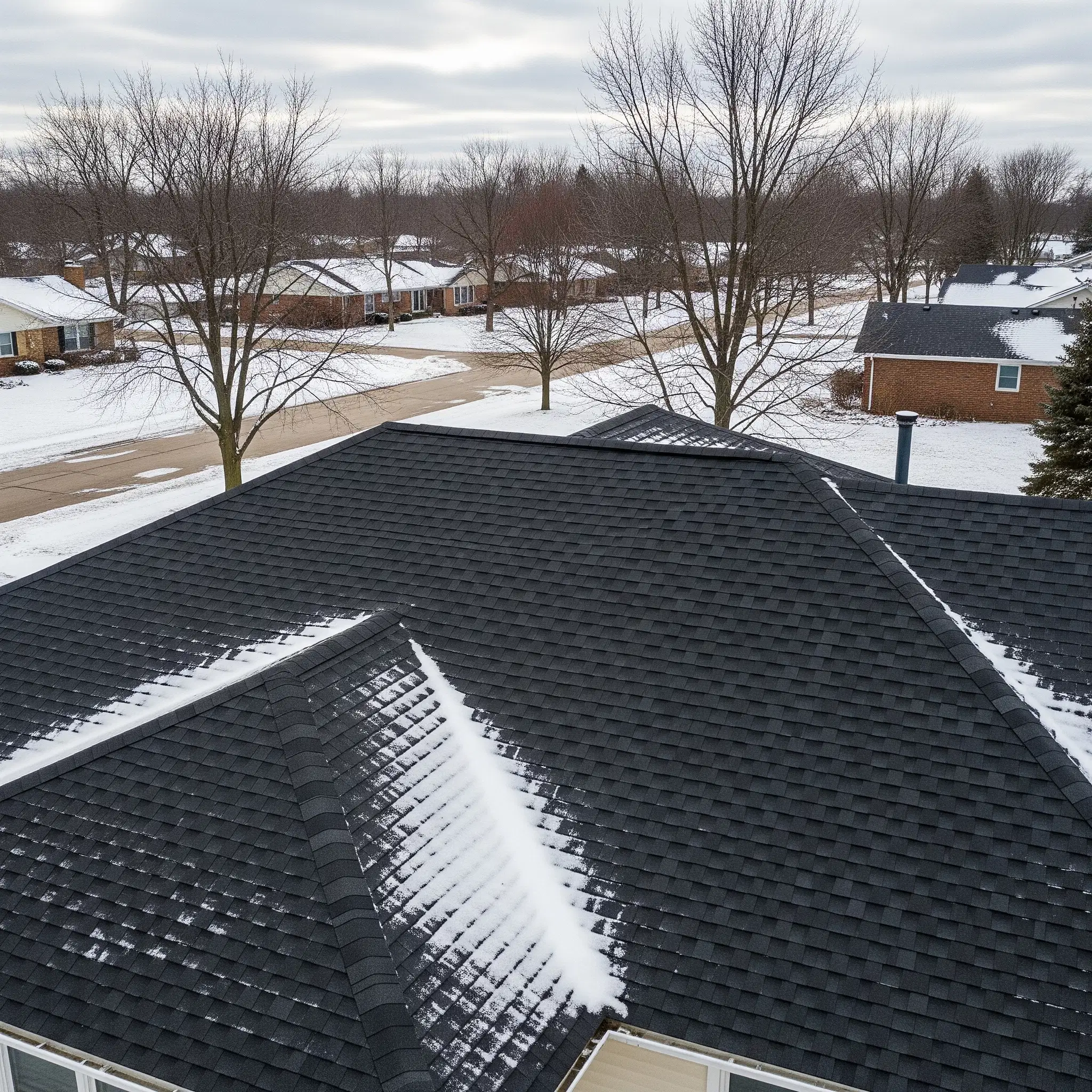
To understand how to prevent ice dams on roof structures, it is helpful to first understand how they form. Ice dams are created by an imbalance of temperature on your roof's surface. When heat from your living space escapes into your attic, it warms the upper sections of the roof deck. This escaping heat melts the snow resting on the top of your roof, turning it into water that flows down toward the eaves.
Because the eaves overhang the exterior walls of your house, they are not exposed to the escaping heat from your attic. Consequently, the eaves remain freezing cold. When the melted snow reaches this freezing edge, it quickly turns back into solid ice. As this process repeats day after day, the ice builds up, creating a literal dam that traps new meltwater behind it. With nowhere else to go, this pooled water eventually backs up under your shingles.
Recognizing the signs of ice dam damage on roof systems early can save you thousands of dollars in emergency repairs. You might notice torn or missing shingles, sagging eavestroughs, or most alarmingly, water stains forming on your upper-floor ceilings and walls. Homeowners in rapidly expanding suburbs like Barrhaven and Kanata, where many 15-to-20-year-old builds are reaching their first major roof replacement cycle, should be particularly vigilant about inspecting their eaves for these warning signs.
How Proper Airflow Protects Your Roof
This is where the science of airflow comes into play. The primary goal of attic ventilation to prevent roof leaks during the winter is surprisingly simple: keep the roof deck as cold as the outside air. If the entire roof surface remains consistently cold, the snow will not melt abnormally, and the freeze-thaw cycle that creates ice dams is interrupted.
A properly ventilated attic achieves this through a continuous flow of air. Cold, fresh air enters the attic through intake vents, which are typically located in the soffits under your eaves. This air travels upward along the underside of the roof deck, sweeping away any heat that has bypassed your attic insulation, before exiting through exhaust vents situated at or near the peak of the roof (such as ridge vents).
When this system functions correctly, the temperature inside the attic closely mirrors the freezing temperatures outside. However, many homes suffer from blocked soffit vents, inadequate exhaust venting, or poorly installed baffles that restrict airflow. In these scenarios, the trapped heat has nowhere to go but up through the roof deck, restarting the dangerous melting cycle. Upgrading or clearing these ventilation pathways is a critical component of professional residential roofing maintenance.
Balancing Ventilation and Insulation
While ventilation is critical, it works hand-in-hand with attic insulation. You cannot simply ventilate a roof and expect perfect results if there are massive thermal leaks allowing furnace heat to pour into the attic. A comprehensive approach involves sealing air leaks around light fixtures, attic hatches, and exhaust fans, while ensuring you have a sufficient layer of insulation to keep your expensive winter heating inside your living space.
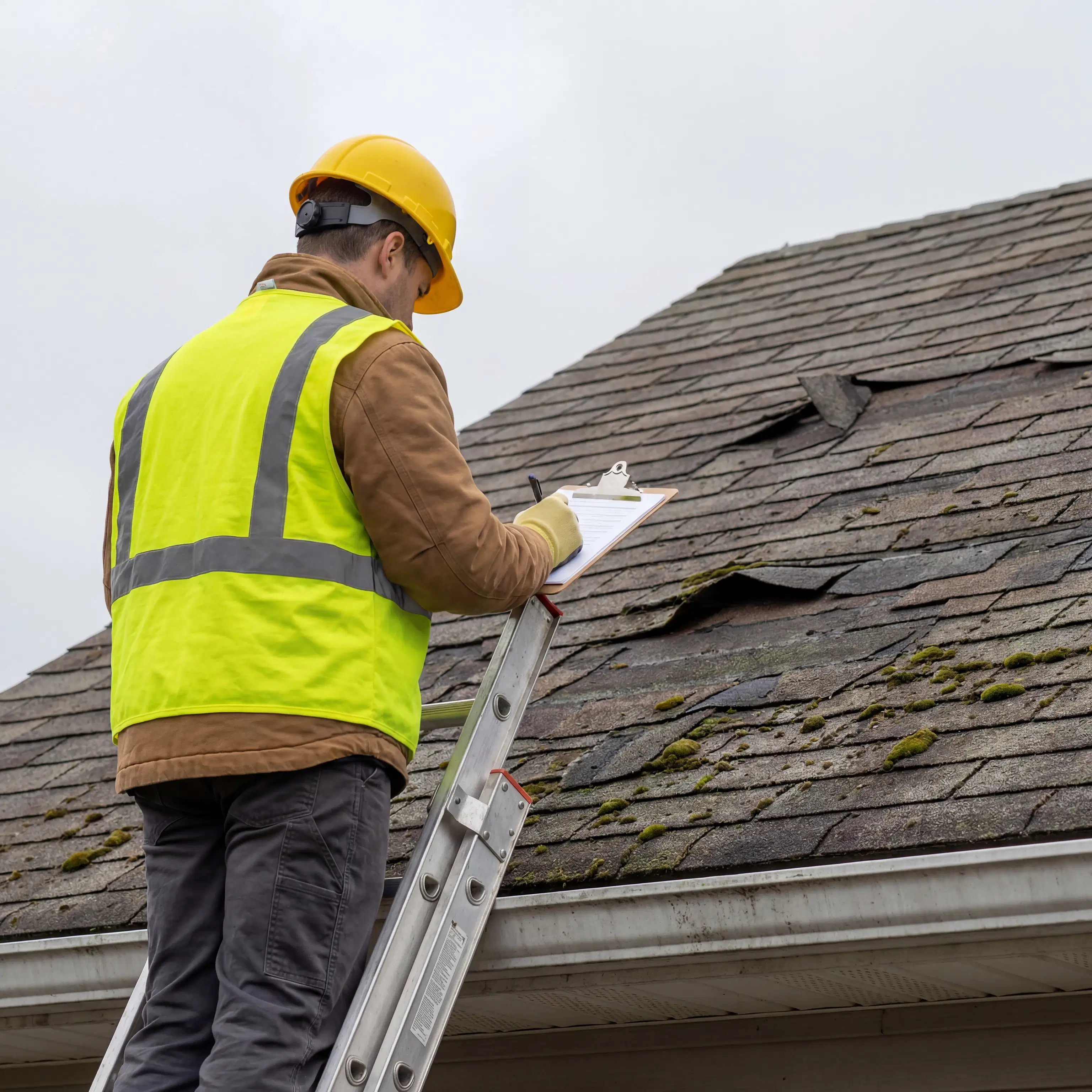
When we conduct a thorough roof inspection, we look at the complete ecosystem of your home's exterior. Many transient or unlicensed contractors might simply offer to chip away the ice or sell you new shingles without addressing the root cause of the problem. This can be incredibly dangerous, as aggressively chopping at ice dams often leads to severe shingle damage. Moreover, using unverified workers exposes homeowners to significant liability if an accident occurs on their property.
In Ontario, strict Ministry of Labour regulations and WSIB compliance are mandatory. Relying on established local professionals ensures that any work done on your property—whether it is installing heat cables, improving attic airflow, or performing a comprehensive roof repair—is done safely and legally, providing you with lasting peace of mind.
Securing Your Home for the Seasons Ahead
Dealing with the aftermath of an ice dam can be stressful, especially during the bitter cold of winter. By prioritizing proper attic ventilation and insulation, you can effectively stop these blockages before they start, protecting your property from costly interior water damage and extending the lifespan of your roof.
If you have noticed excessive icicles, poor attic airflow, or suspect your home might be at risk for winter damage, it is always best to have a professional evaluate your system. Our team utilizes advanced diagnostic methods, including drone inspections and thorough interior attic assessments, to provide transparent and accurate solutions tailored to our local climate.
Don't wait for a leak to reveal a ventilation problem. For expert advice and comprehensive residential roofing solutions, reach out to the professionals at Roof Medix. We are committed to keeping your family safe, warm, and dry all winter long. Learn more about our roof repair services or give us a call today to schedule your assessment.